
19.11.2011 g. 21.30
Zagrebačko kazali te lutaka
Chorwacja / Croatia
www.zkl.hr
Droga Tilla Durieux!
Dear Tilla Durieux!
Lalki / puppets : Melanie Sowa, Mario Hohmann, Alexander Szallies, Vesna Balabanić, Kruna Tarle
Muzyka, video, na pianinie / music (composer), video, piano (playing) : Nenad Brkić
Światło / light designer : Sa a Fistrić
Projekt graficzny / graphic designer : Jelena Radmanović
Konsultacje animacyjne / animation consultants : Markus Joss, Eva Kaufmann
Praca badawcza / researcher : Hartmut Topf
Obsada / performers : Mira Bosanac, Sini a Miletić, Marina Kostelac, Luka Pero, Matilda Sorić
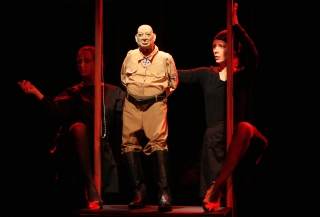
Inspiracją do pracy nad tym spektaklem było marzenie, by pogodzić teatr ogromny i kameralny, zrozumiały logos przekształcić w skomplikowany język teatru – odległy i intuicyjny. Spektakl jest hołdem złożonym niemieckiej aktorce, która, uciekając przed nazistami ze swoim żydowskim mężem, odizolowała się od swojego kraju, języka, profesji. Udało jej się utrzymać kontakt z teatrem poprzez szycie kostiumów dla lalek. Podczas niebezpiecznego zagrzebskiego epizodu, z Niemcami dookoła, ryzykuje życie, pomagając zatrzymać wspomnienia o pojmanych dzieciach kozarskich uchodźców. Wizyta wielkiego barda Heinricha Heinego, który podróżuje w czasie i przestrzeni, przynosi jej rozwiązanie i pocieszenie.
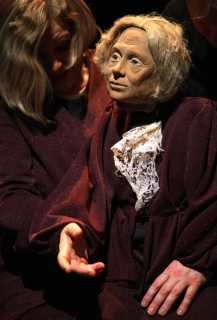
The work on this show was encouraged by the wish to make an attempt and reconcile the big theatre and the little one, logos translatable into the sophisticated theatre language, and the remote, slent, intuitive, white language, just as it was determined by fate for Tilla Durieux to close this whole circle during her lifetime. It is an hommage to celebrated German actress, who, fleeing from the Naciz with her Jewish husband, secluded herself from her country, culture, language, profession. She manages to keep in touch with theatre by sewing puppet costumes. During the dangerous Zagreb episode, with her Germans all around, she risks her life by helping to keep memories of children captured from the Kozara refugees. The visitation of the Great Bard Heinrich Heine, who travels through the time and the space brings her recognition and consolation.